Why cockroaches appear in clean homes
Cockroaches don't care about cleanliness the way we do
Finding a cockroach in a spotless kitchen is jarring. You sweep daily, wipe counters after every meal, and take out the trash before it smells. Yet there it is - a German cockroach scurrying behind the toaster or an American cockroach climbing out of a floor drain. The surprise is understandable, but the logic behind cockroach infestations has little to do with visible dirt. Cockroaches are driven by survival needs: food, water, warmth, and shelter. A clean home can still supply all four if the right cracks and crumbs go unnoticed.
The first thing to understand is that "clean" means different things to a person and a pest. A home that looks pristine to you can still hold plenty of cockroach resources. A single crumb under the fridge, a leaky pipe under the sink, or a cardboard box stored in a basement corner can support a small population. Cockroaches are small, secretive, and extremely efficient at finding what they need in spaces we never see.
What attracts cockroaches to a well-kept home
Think of cockroach control as a game of elimination - you have to remove not just what you see, but what you don't. The main draws are moisture, food residue, harborage, and warmth.
Moisture is the biggest draw
Every cockroach species needs water regularly. German cockroaches, for example, can survive only a few days without it. A clean home with a dripping faucet, a sweaty pipe under the sink, a leaking toilet seal, or even a pet water bowl left out overnight can be enough. Bathrooms, laundry rooms, and basements are common hotspots. The moisture may be invisible - a slow condensation drip behind the washing machine or a damp crawl space - but roaches find it.
Food residue is more than crumbs
Visible food on counters is easy to wipe away. What matters more are the tiny particles that collect in places you rarely check. Grease buildup on the stovetop vent, spilled sugar in the back of a cabinet, flour dust under the pantry shelf - these are feasts for cockroaches. They also feed on non-food items: paper, glue, soap scum, and even the lining of cardboard boxes. A clean kitchen can still have plenty of organic debris inside appliance crevices or behind the refrigerator.
Harborage means hiding spots
Cockroaches are thigmotactic - they like to feel something touching both sides of their body. That means cracks, gaps, and tight spaces are ideal. A clean home is not necessarily a sealed one. Gaps around baseboards, openings where pipes enter walls, spaces behind cabinets, and the hollow interiors of furniture all provide safe harborage. Even a clutter-free room can have dozens of hiding places if the structure itself is not sealed.
How cockroaches get inside
Clean homes are not sealed fortresses. Cockroaches enter through drain openings, gaps under doors, cracks in the foundation, and vents. They can hitchhike on grocery bags, secondhand furniture, packages, and even laundry. A single egg case brought in on a cardboard box can introduce a new generation. The American cockroach often enters through sewer pipes and drains, while the German cockroach is more likely to arrive in a bag or box.
Once inside, they spread quickly. A single female German cockroach can produce hundreds of offspring in a year. Their droppings and shed skins contain allergens that can affect sensitive individuals, making an infestation more than just an unpleasant sight.
Why cleaning alone is not enough
Deep cleaning helps, but it is only one piece of cockroach control. If you scrub every surface but ignore a hidden water source or a crack behind the stove, the roaches will stay. They can survive on very little. A single leaky pipe under the sink can sustain a small population indefinitely, even if the rest of the home is spotless.
Sealing entry points is just as important. Caulk gaps around baseboards, install door sweeps, cover floor drains with fine mesh, and repair any plumbing leaks. Remove cardboard boxes - they are both food and shelter. Use plastic bins with tight lids for storage instead.
Monitoring is also key. Sticky traps placed along walls and under appliances will reveal where roaches are active and whether numbers are growing. If you see droppings - small, dark, pepper-like specks - that is a sign of an established population. Egg cases, which look like small brown capsules, mean reproduction is happening nearby.
When cleaning, focus on the unseen. Pull out the refrigerator and stove occasionally. Wipe down the inside of cabinets, especially the corners and hinges. Vacuum along baseboards and under furniture. These are the places where crumbs and grease accumulate beyond day-to-day sight.
When to call a professional
If you have cleaned thoroughly, sealed gaps, and removed moisture sources but still see roaches regularly, the problem likely extends beyond what a homeowner can manage alone. Cockroaches hide in wall voids, behind heavy appliances, and in areas that are hard to treat with store-bought products. Gel bait can be effective, but it must be placed precisely in the right spots - near harborage and along travel routes - to work well. Over-the-counter sprays often scatter roaches, making the problem worse by pushing them deeper into the structure.
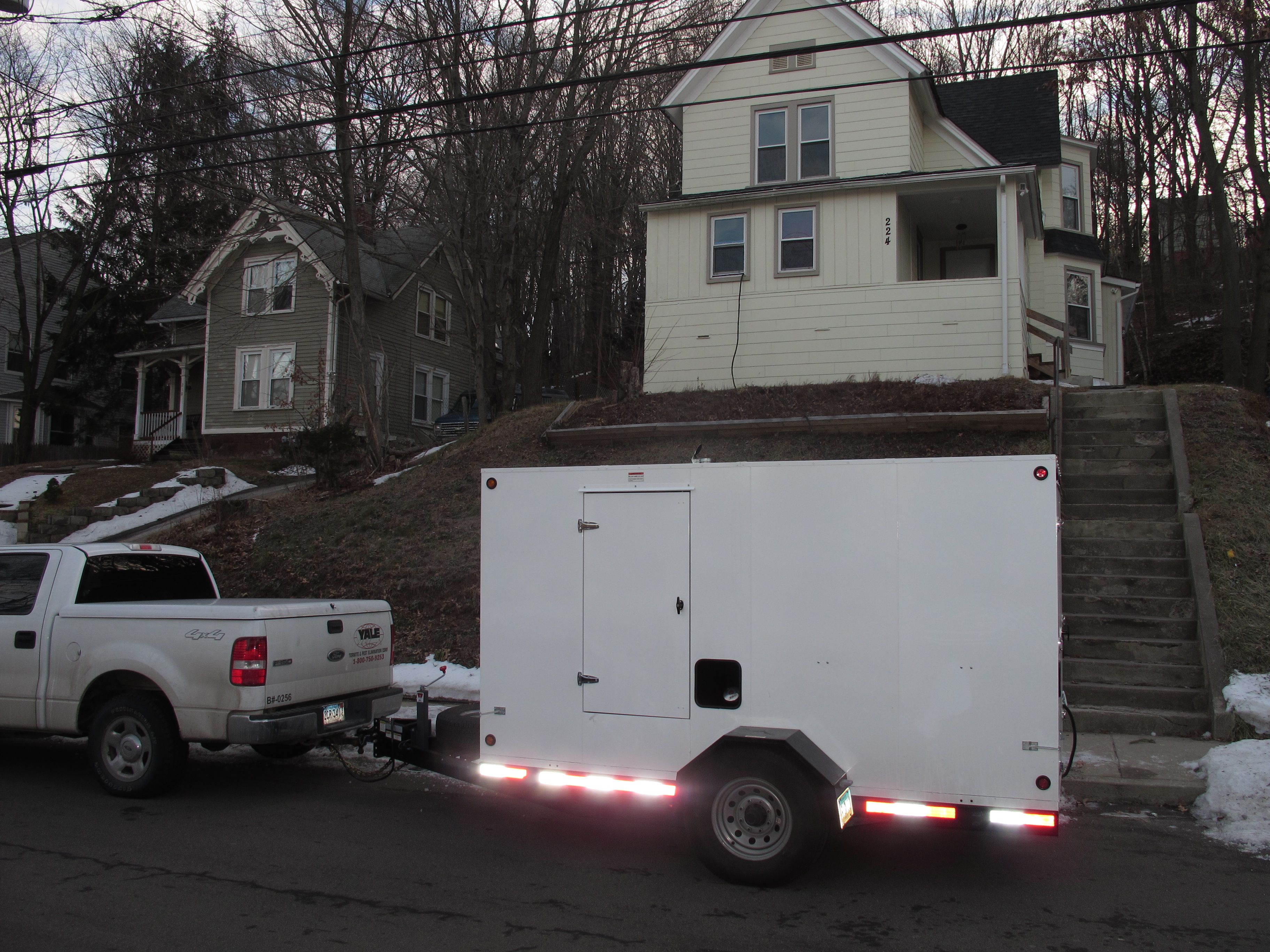
This is where a professional pest control service can make a difference. Yale Pest Control provides residential and commercial pest control services across three Connecticut counties. Their technicians can inspect the property thoroughly, identify all contributing factors, and apply treatments that target the infestation at its source. Professional treatment often combines gel baits, insect growth regulators, and exclusion techniques that are not available to the general public.
A professional will also look for conditions you might have overlooked: a hidden moisture issue in the wall, a crack in the foundation, or an opening around a utility line. They can advise on long-term prevention and follow up to make sure the problem is resolved.
Prevention is a continuous process
Keeping cockroaches out of a clean home means staying vigilant. Check under sinks regularly for leaks. Keep trash in sealed containers and take it out frequently. Do not leave pet food out overnight. Inspect groceries and deliveries before bringing them inside. Seal cracks and gaps as soon as you notice them. And if you see one cockroach, treat it as a sign that there may be more - they are rarely alone.
For Yale Pest Control, the focus is on helping homeowners and businesses in Connecticut maintain pest-free environments through thorough inspection and targeted treatment. Their approach combines the latest control methods with practical advice for preventing future infestations.
No home is completely immune to cockroaches. But with consistent attention to moisture, food sources, and entry points, you can make your home far less inviting. When the problem persists despite your best efforts, professional help is the most reliable path to a lasting solution.